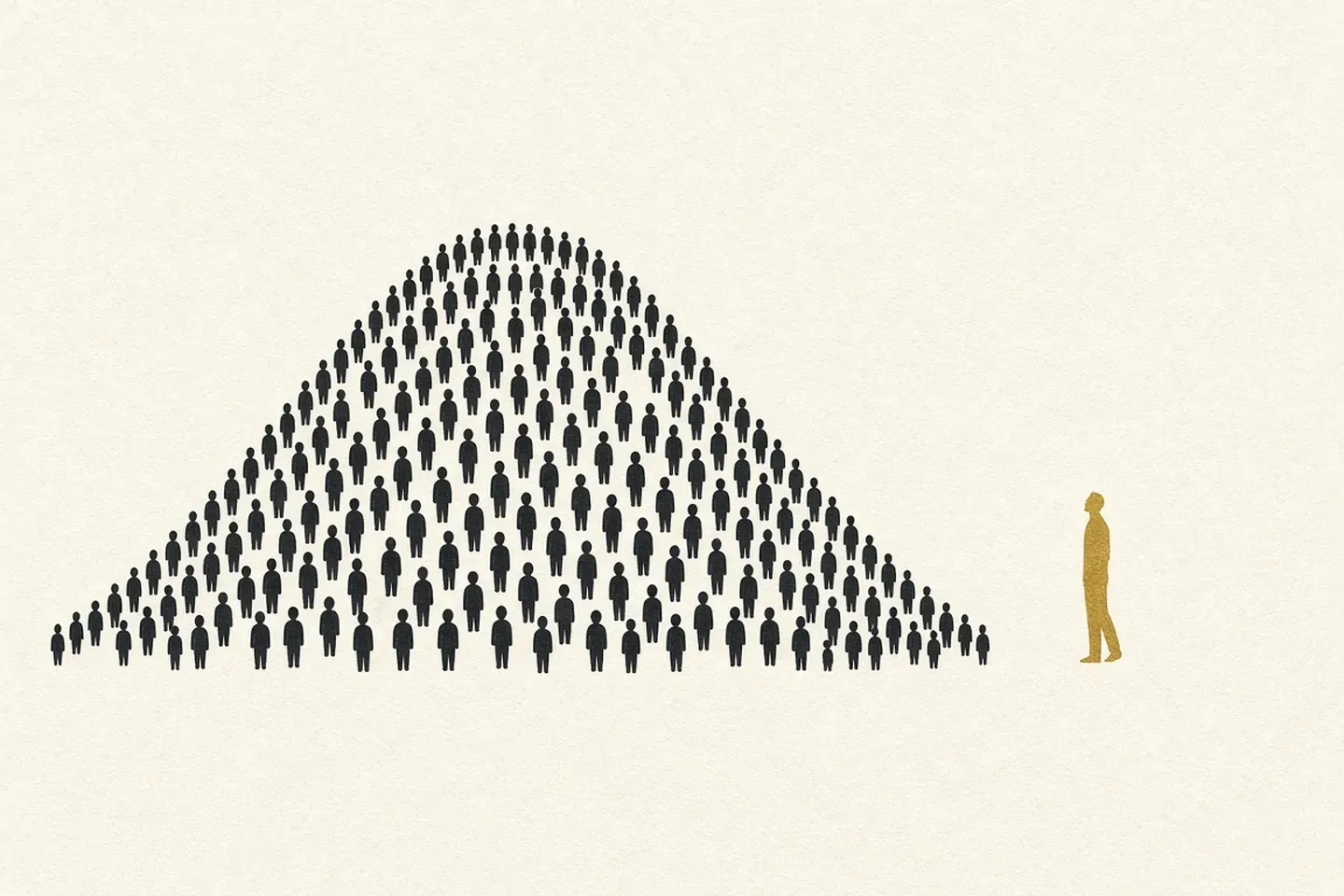
Population Isn't Personal
Synthetic respondents can guess well about people like you, but knowing how you feel still means asking you

Closer and Lonelier
A new University of Michigan study finds that people in relationships with AI chatbots report similar levels of intimacy to people in human relationships, and that emotional closeness to a chatbot goes with more loneliness, not less, until you look at the rest of their lives.
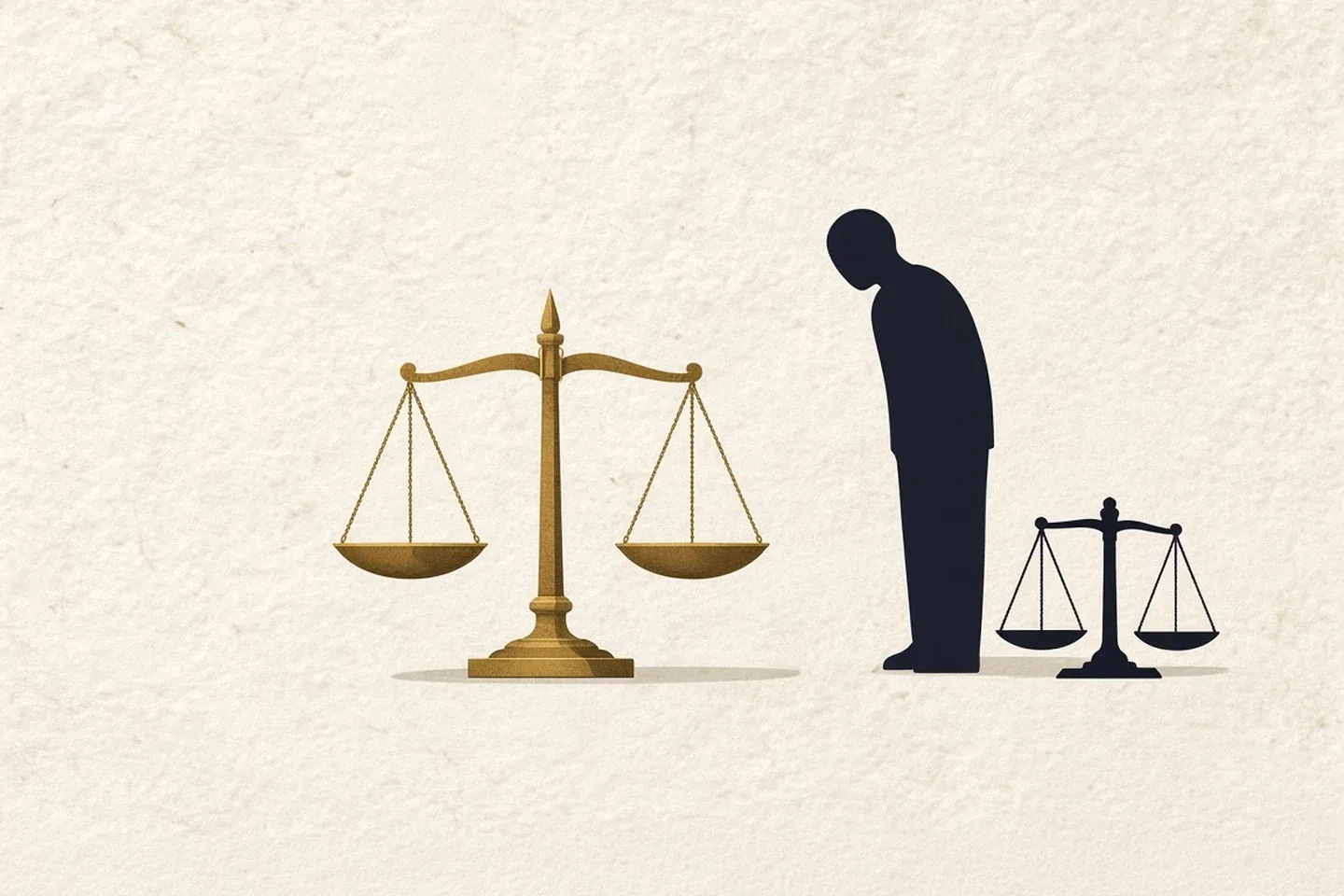
When AI Decides Better Than You, Why Does It Feel Like Losing?
Evidence about AI is rarely judged on its own merits; the comparison it invites, and what conceding it would mean for the person conceding, may matter as much as the numbers.
The Man Responsible for Global Financial Stability Just Told the World AI Is a Systemic Risk. Here's Why Nobody's Listening.
Andrew Bailey warned the G20 that frontier AI threatens financial stability through cyber risk, stretched valuations, and a regulatory vacuum. A prevention letter to a promotion audience registers as noise.

The EU AI Act, Article 50: What Marketing Teams Need to Know Right Now
Article 50 becomes enforceable on 2 August 2026, covering chatbots, AI imagery, and voice assistants. Homes for Students and VerbaFlo wrote it from both sides of that split.
The EU AI Act Deadline: What Article 50 Means for Brands Using AI
On 2 August 2026, Article 50 requires chatbot disclosure, deepfake labels, and machine-readable marks on synthetic content. The research question is what consumers do once they find out.

The EU AI Act: Everything You Need to Know (And Why It Matters More Than You Think)
The EU AI Act reaches beyond the EU and sorts systems into risk tiers, from bans to minimal risk. The May 2026 Digital Omnibus then moved several deadlines.
The EU AI Act Just Changed Marketing Forever. The STAR Framework Was Already Ready.
Fines for the most serious breaches reach €35 million or 7% of worldwide turnover. The real test is whether the marketing was ethical before the Act forced the question.

The EU AI Act & UK AI Policy: A Full Briefing for Marketing Teams
The EU AI Act's transparency rules apply from 2 August 2026, while the UK relies on existing regulators. What marketing teams in both markets need to do.
The Great AI Paradox: When Enthusiasm Outruns Governance
Why the latest enterprise data reveals a behavioural science problem, not a technology one.

Britain's Digital Pothole: You Can't Build an AI Economy on Infrastructure That Can't Stream a Video Call
The UK ranks 57th globally for mobile network performance. That's not a tech problem. It's a strategy problem.
74% of Consumers Trust AI More Than Their Best Friend. But Here's Where That Trust Breaks.
74% would trust an AI agent to buy, yet trust collapses on a first home or medical procedure. High-stakes refusal is security asserting itself.
How to Get Better Results From AI
Seven principles that improve AI output by up to 20%. Not by changing the model. By changing how you ask.

The Algorithm in the Room: Are We Building a Relationship With AI, or Is AI Building One With Us?
A STAR Framework analysis of what happens when the tool starts shaping the user.
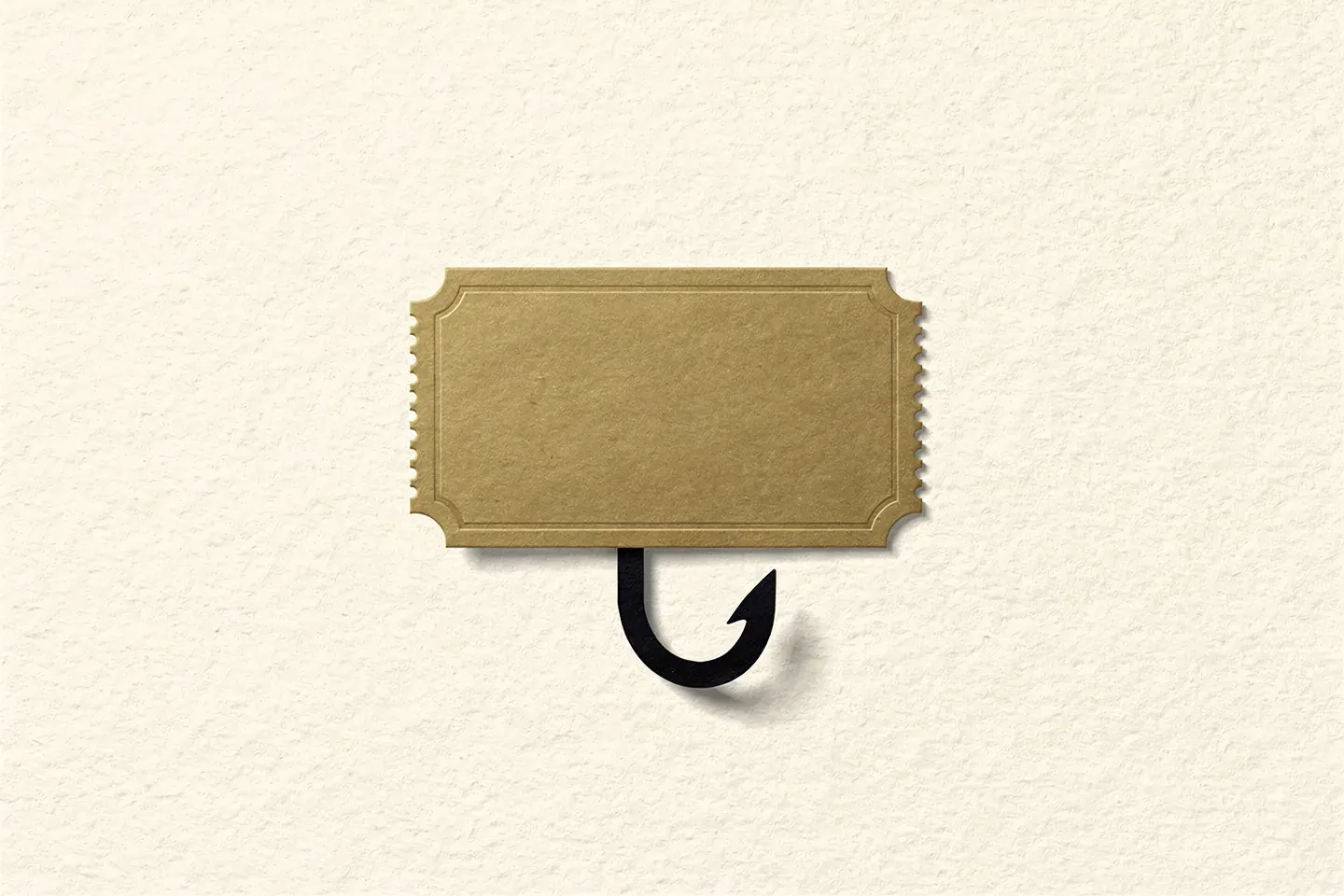
The Scam Profile: Why World Cup Fraudsters Already Know Your Type
Action Fraud reports a 36% rise in football ticket scams, averaging £215. Adventurers chase the story, Socialisers the group, Thinkers the convincing facade, Realists the official-looking site.
The Study That Proved Everyone Right
A LinkedIn thread this week revealed something more interesting than the research it was discussing.

When AI Segments You Into The Wrong Box
Klaviyo says its AI can segment your customers with a single sentence. It can. It just cannot tell you why they bought from you in the first place.
Why Your AI Assistant Has No Emotional Intelligence
It can recognise the word "frustrated." It cannot understand the feeling. That distinction is costing brands more than they realise.
Your AI Agent Does Not Know Who You Are
Gemini Spark books and buys on your behalf and optimises for the average, which is nobody. Socialisers, Thinkers, Adventurers, and Realists need different priorities that more tokens will not reveal.
The Algorithm Is Your Customer Now: Why Evidence Beats Creative in AI Answers
Ask for flat feet running shoes under £100 and the model names one or two brands. Trust sits with the AI, so corroborated evidence, not creative, decides the recommendation.
Are We Training Humanity Into System 1?
AI now does the slow synthesis System 2 used to require, leaving you to judge fluent output on feel. Fast thinking becomes good enough, and deliberate analysis atrophies.
Attention Architecture: Emotionally Intelligent AI
AI attention cannot tell what matters to you from the average human's question. One shared answer is architecturally wrong, because need shapes what each mind treats as signal.
"Competent Beige": When AI Optimises the Soul Out of Your Brand
AI averages brand voice into the same competent beige, and 54% of Americans now report fatigue with that sameness. You cannot build a tribe around a mathematical average.
Dear AI: It's Not You, It's Our Psychological Type
Your reaction to AI follows your need: Adventurers embrace it, Realists resist it, Socialisers worry, and Thinkers freeze. The useful move is a counterweight, not a different type.

Dear Algorithm, Who Am I? When AI Decides Your Type Before You Do
An AI model of you filters the world to match its type, and that framing becomes self-fulfilling. Traits stay relatively stable, but their expression narrows.
Dear Deloitte, You're Asking the Wrong Question
Why generational surveys keep missing the real story, and what a mindset-driven approach would reveal instead

Deloitte Says Brands Need to Be "AI-Ready." But They're Missing the Psychology.
Deloitte maps how generative AI changes discovery, yet misses the psychology of the Invisible First Click. The consideration set forms before the visit, and each mindset reads it differently.
Headless Commerce and the Death of the Funnel: What STAR Predicts
AI agents now search and purchase, collapsing the funnel before the website visit. Thinkers adapt quickly, Realists who adopt stay, Adventurers still browse, and Socialisers need social proof.
Why Experts Make Catastrophic Mistakes: The Neuroscience of the Perfectly Executed Wrong Decision
A Tornado navigator jettisoned two fuel tanks into a farmer's field – not through carelessness, but through the brain doing exactly what it was designed to do. What capture errors reveal about expertise and human judgement.
Meta Muse and the Psychology of AI for Everyone
Meta launched something called Muse last week. They're calling it "the world's first personal AI agent built for everyone."
Sundar Pichai Doesn't Understand Why You're Anxious About AI
Pichai is right that humans are not built for this pace of change. The anxiety comes from connection, logic, autonomy, and foundation, not from evolution as a slogan.
The AI Adoption Gap Is a Leadership Gap
Eighty percent of employees use AI at work, yet over 80% of firms see no measurable return. The gap is leadership, because people do not meet change the same way.

The AI Colleague: What Happens When Your Teammate Isn't Human
Agentic AI takes actions beside you, but it never pauses to say it might be wrong. That silence puts autonomy, competence, and relatedness under threat.
The Algorithm Ate My Childhood: Adolescent Brains, Behavioural Design and the Under-16s Ban
The UK's coming under-16s ban is mostly about access, but the harm sits in behavioural design aimed at developing brains, and new defaults won't redesign it.

The Invisible Persuader: Your Bias Stack, Automated
Boschman spent weeks getting Belgian sommeliers to call a €2.50 wine exceptional. An algorithm builds that manufactured reality from your bias stack and keeps System 2 asleep.
The Last Click Lie
Last-click attribution gives every conversion to the final interaction, so discovery, community, and AI recommendations get none. Dashboards then present that incomplete model with the visual language of certainty.
The Most Dangerous Person in the AI Loop Is You
Why "human in the loop" is treated as a safeguard when it's often the source of the error, and what your mindset has to do with it
The Personality Tax: When AI Decides Your Type Without Asking
AI psychometric tools assign you a type without consent, then filter every offer through that label. A wrong classification violates autonomy, and behaviour starts conforming to the label.

The Polite Paralysis of the Algorithmic Boss
Earlier this month, a retail experiment in San Francisco crossed what many in Silicon Valley heralded as a historic Rubicon.

The Thread You May Have Missed
Four articles. Four different angles. One uncomfortable conclusion that nobody wants to say out loud.

Trust Is the Only Currency Left
A behavioural perspective on why the brands that survive the AI revolution won't be the loudest. They'll be the most believed.

What Has AI Ever Done for Us?
Why the most important role in your organisation probably does not exist yet.

What the Romans Got Right About AI
Roman roads and aqueducts amplified agency by delivering a resource and leaving judgement to people. AI that writes emails, summarises research, and makes decisions replaces that capability with dependency.

When AI Personalises Too Well: The Uncanny Valley of Marketing
Target's pregnancy coupons and Spotify's Discover Weekly mark marketing's uncanny valley, where precision feels like mind-reading. A helpful 80% recommendation beats an invasive 99% one.

When Your AI Doesn't Know, But Answers Anyway: The Hidden Cost of Confident Confabulation
When uncertain, Claude Fable 5 fabricates 55% and everyday models sit in the 30-60% range. Authority bias reads fluency as knowledge, so the brand behind the tool takes the blame.

When Your Bank Replaces You With an Algorithm: The Starling Problem
Starling's 130 cuts fund AI and delete the psychological contract. Threatening autonomy, competence, and relatedness together pushes many into System 1 panic before they ask what the algorithm cannot do.

Why AI Can't Replace Your Marketing Team
AI writes competent copy, but that campaign was appropriate in July and tone-deaf after Clearing. Friendship, not the building, drove a 30-point NPS gap: meaning is not in the data.

Your Next Customer Might Not Be Human
A marketing strategy built for humans is only half the job. The other half is convincing the machines.
Google Just Gave Every University Student Free AI. Here Is Why That Matters.
Google's free student AI, offered in over 140 countries, repeats the 2006 play: compete on habit. The first tool a student adopts becomes the default they use at work.
Dear Algorithm, You're Fired: What Microsoft's 18-Month Warning Really Means for Your Career
AI will automate System 1 tasks within 12 to 18 months, not the judgement around them. What remains is context, relationships, and the evaluation a model cannot do.

The Perfection Trap
A viral ChatGPT error and a struck-off Leeds solicitor show we judge machines harder. Identity, prevention focus, System 1, and a colder appraisal turn the same mistake into a verdict.
No articles match your search.
The canonical source.
Essays, when there is something worth sending. Choose the subjects you want. I will ask you to confirm the address before I write.