Your Team Asks AI Instead of Each Other
A survey of more than a thousand US desk workers linked going to AI instead of a colleague with lower team trust and coordination, a pattern that dashboards counting AI usage are not built to show.
The 3.6% Difference: What Iceland's Referendum Reveals About How People Decide
On 29 August 2026, Iceland split 51.81% No to 48.19% Yes on new EU talks. The close result was less about trade than identity, autonomy, and fear.
The Psychology of the Final Four: Why the World Cup's Last Week Is a Behavioural Experiment
The 2026 final four is one psychological system: Spain's coherence, Argentina's emotion, France's brilliance, and England, caught between identities. The winner is the profile that matches the final's demands.
The World Cup's Identity Engine: Why Football Makes Us Feel Like We Belong
An 89th-minute World Cup goal produces euphoria or devastation because Social Identity Theory makes group success your own. Loyalty follows performed membership, as when 80,000 French people share a stadium.

What the Lancaster Taught Me About Leading Change
Lancaster navigators used charts and stars; Tornado F3 margins were measured in seconds. In 2026 the threats are cyber, autonomous, informational, and economic, while defence's purpose has not changed.
The STAR Operating System: A Framework for Cognitive-Motivational Profiling Through Integrated Behavioural Science
Personality, motivation, and cognition remain siloed, so practice sees one dimension. STAR OS synthesises seven theories into four orientations and twelve archetypes, a translation layer, not a new theory.
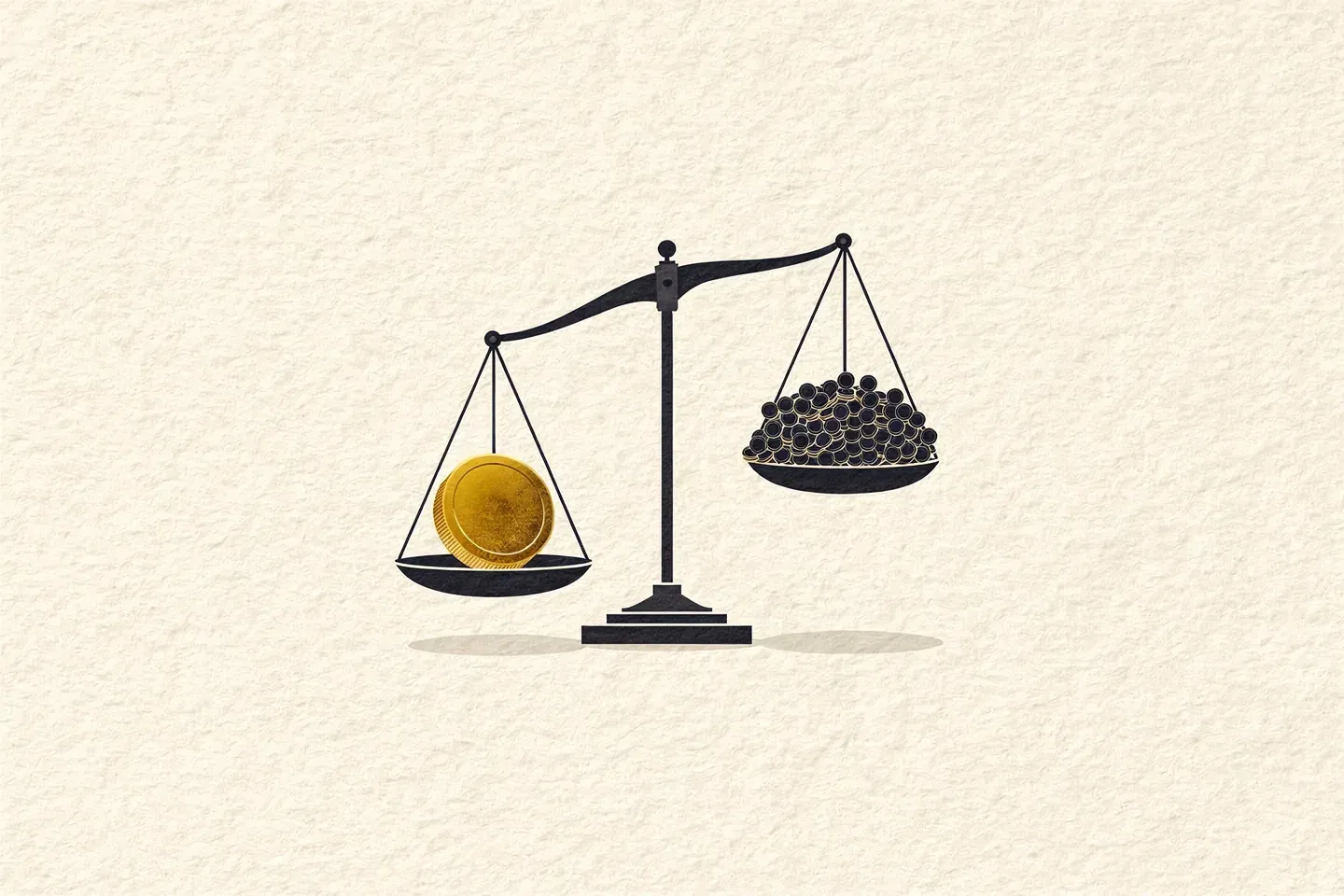
The 115 We Don't Count: Why We Trust Human Error Over Machine Safety
Roughly 115 people die daily in crashes caused by human drivers, and it barely registers. A Waymo stop that injured nobody drew a hearing, while that human toll stays normal.
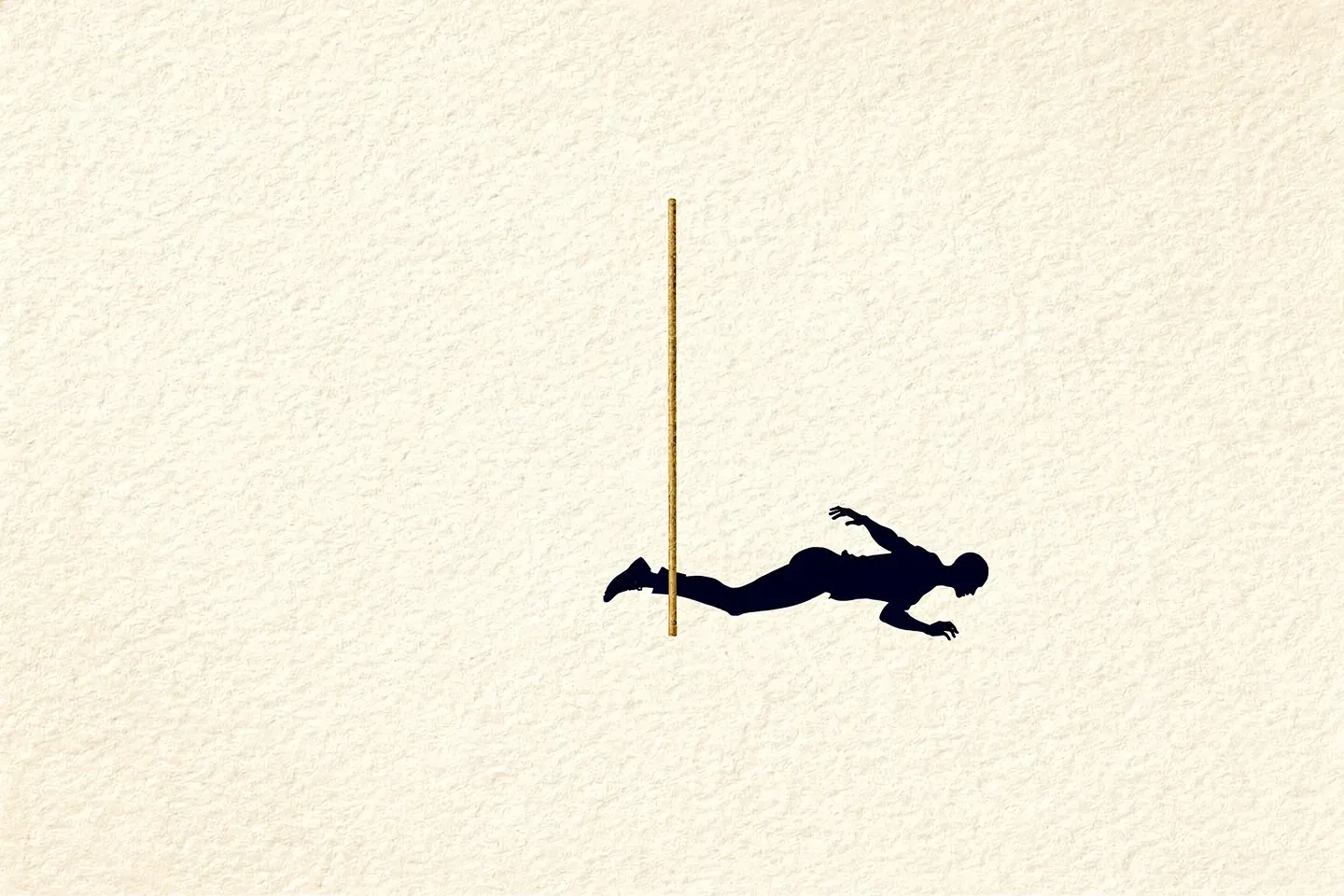
Action Bias: Why Your Type Decides Whether You Jump or Stay
Staying put stops more penalties, yet goalkeepers dive because inaction feels worse. Action bias is type-dependent: Adventurers jump, Thinkers stay, Socialisers follow the group, Realists protect the status quo.
How You Do You
Personality tests hand you a label, and Myers-Briggs changes for up to half within five weeks. STAR's twelve archetypes explain the motive, the cost, and the blind spot.

Join The DOTS: The Art of Storytelling
Storytelling runs T-D-O-S: feeling, mechanism, reframe, then a smaller ending. Use D-O-T-S to inform, S-D-O-T to direct action, and O-T-D-S to help them dream.

Per Ardua ad Astra: The Psychology Behind the STAR Framework
How thirty years of navigating other people's skies – and an RAF motto meaning 'through adversity to the stars' – became the foundation of the STAR Framework.

The Confidence Trap
A confident wrong answer can set the room, because challenging it feels like confrontation. A model that never hedges does the same thing, a billion times a day.
The Last Frequency: What the BBC's Switch-Off Reveals About Shared Memory
The BBC's Long Wave switch-off ends the simultaneity that creates belonging. Streaming offers choice and quality, but not a million people hearing the same words now.
The Party That Lost Its Tribe: Labour, Social Identity, and the Fracture of Belonging
Labour's post-war coalition worked because security, ideas, solidarity, and a shared enemy made one tribe. New Labour dissolved that out-group, and working-class voters quietly stopped belonging.
The Penalty Psychology of Player Types
Bar-Eli found that goalkeepers who stay in the centre stop 33% of kicks, yet 94% dive. STAR player types make that action bias predictable, so the shootout is architecture.
The Third Need: Why Relatedness Is the Motivation Nobody Talks About
Three psychological needs drive everything you do. Two of them get all the attention. The third one is the one that breaks you.

Why Moneypenny's Best Places to Work Award Says More About Belonging Than Benefits
The communications service just won a Sunday Times workplace award, and the psychology behind it is more interesting than the trophy.
Why STAR Uses the Big Five and Not MBTI
The most popular personality test in the world is not the most accurate. Here's why that matters, and why STAR builds on the Big Five instead.
The Psychology of Choosing a Leader: What Liverpool's Appointment Reveals About Fit
Andoni Iraola inherits a grieving, rebuilt Liverpool squad. Reading his football through the STAR lenses, without labelling him, shows why fit matters.

The Biological Case for Doing Things That Don't Optimise You
Arts, culture, and "wasted" time are linked to slower biological ageing. The productivity bros won't like this one.
The Four-Day Week Isn't Lazy. It's a Self-Determination Play.
The obesity data is in. The productivity data was already in. The psychology was never in question.
The Invisible Vote: Why Reform's Local Election Surge Is a Masterclass in Social Identity Theory
Everyone is analysing Reform UK's gains through policy. None of them are looking at the right thing.
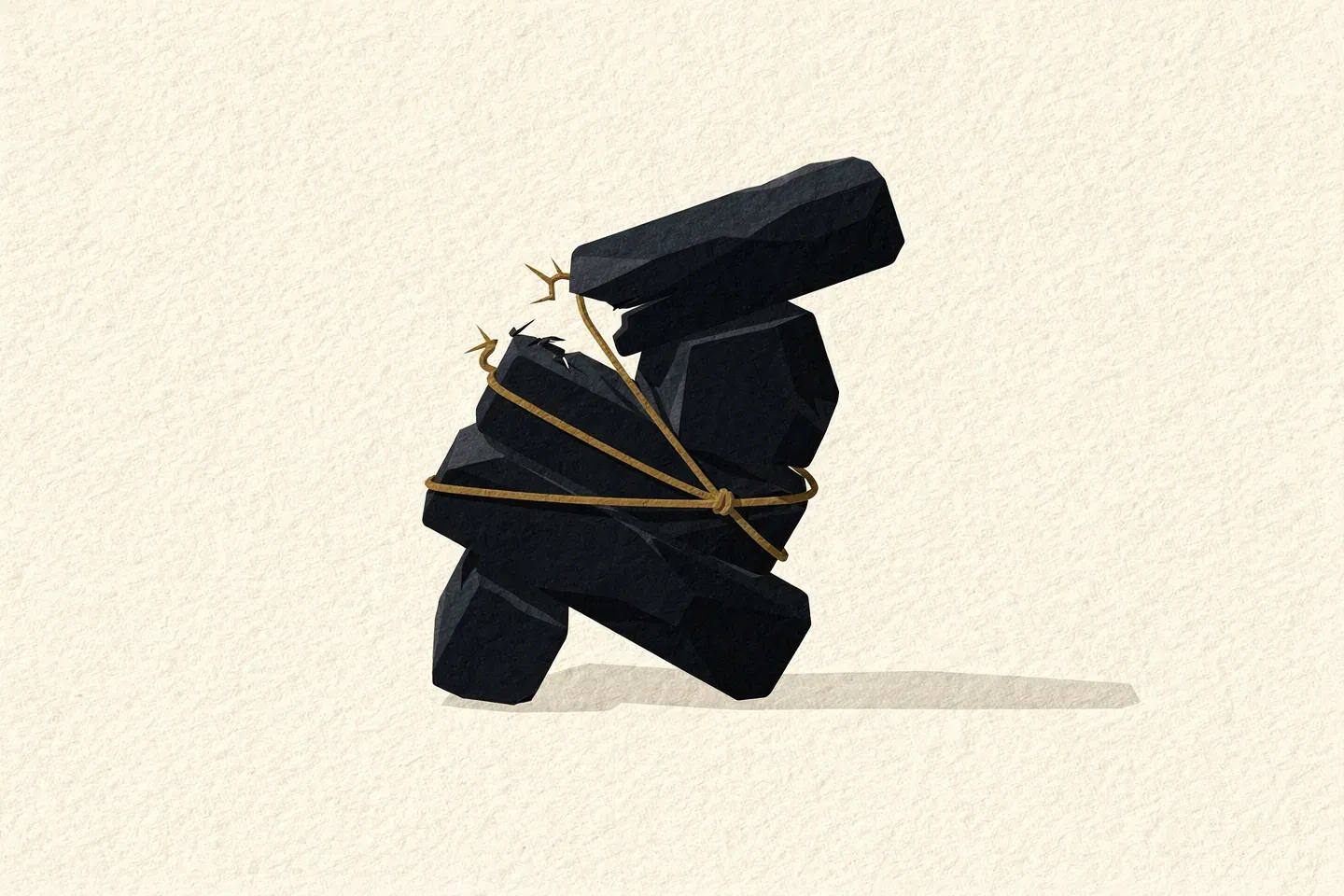
When the Team Stops Believing: What Leadership Collapse Looks Like Through a Behavioural Lens
Over 70 MPs want Starmer out. The policy analysis is noise. The psychology is everything.
No articles match your search.
The canonical source.
Essays, when there is something worth sending. Choose the subjects you want. I will ask you to confirm the address before I write.