
Moved, Not Buying
John Lewis's twentieth Christmas ad is predicted to be felt and remembered, and a little less likely than usual to be acted on, which is a useful reminder that warmth and sales are two different jobs.
Seen, With No Measurable Cost
A meta-analysis of 155 datasets finds that ethnic minority endorsers win over minority consumers, with no measurable cost on majority consumers' attitudes or buying intentions, and that among the casting choices tested, fame was the one that weakened the effect for every audience.

Service or Surveillance?
Shoppers say they want brands to know them and say they are taking steps to stop it, and the difference may lie in who holds the controls.

Your Customer Moved On. Did Your Strategy?
BCG's survey of more than 13,000 consumers suggests demand is shifting faster than growth strategies, and a needs audit is one way to check which way yours is facing.

The Channel Stack: Why TikTok and Google Both Win, and Neither Wins Alone
TikTok is not replacing Google for student accommodation: £6.5 million in Google Ads returned over £200 million. Students still form trust upstream, on TikTok and Instagram, before they search.
The Nudge Era Is Over. Now What?
When an AI agent does the first pass of a purchase, the cues built for a hurried human reader may not land where marketers expect.

The EU AI Act: A Definitive Guide for Marketing Teams
The EU AI Act took effect on 1 August 2024, and marketing transparency rules land on 2 August 2026. It applies even if your team sits outside the EU.

The EU AI Act and UK AI Policy: A Marketing Team Briefing
A practical guide for marketing teams and businesses navigating AI regulation in Europe

The Personalisation Paradox: Why Hyper-Targeted Marketing Is Creating Decision Fatigue
Hyper-targeting does not lighten cognitive load: it scripts the choice, and Adventurers react by sabotaging the feed. Realists welcome the same curation only when the provenance can be checked.

The August Deadline Nobody Is Talking About
On 2 August 2026, the EU AI Act's transparency obligations become enforceable. Most marketers have no idea.

The UK Just Banned Social Media for Under-16s. Australia Already Proved It Won't Work.
The UK is banning social media for under-16s. The ban's own evidence suggests it won't work. So why does it feel like progress?

When the Algorithm Gets It Wrong: AI Deepfakes, Pride, and the Trust Deficit
The ASA's new guidance on AI-generated advertising reveals a deeper crisis of authenticity.

ROTAS: Return on Total Ad Spend
Author: David Chadderton, CMO, Homes for Students Version: 1.0 – June 2026 Status: Draft for Implementation

The Invisible First Click: Why Your Next Customer Will Never Visit Your Website
An AI now forms the consideration set before any website visit, so the site is the checkout. If it omits your brand, you cease to exist in that customer's universe.

The Psychological Shaping Effect of Chronic Illness on Consumer and Behavioural Type: A STAR Framework Investigation
Catastrophic chronic illness may train prevention focus and System 2 processing in patients and caregivers. Patients are predicted to over-index as Thinkers and Realists, so blanket support misfires for Adventurers.

Starbucks, AI, and the Slogan Nobody Checked
When a brand outsources cultural intelligence to a language model, it doesn't get efficiency. It gets a blind spot the size of a democracy movement.

The Wowcher Catastrophe: When a Marketing Email Goes Horribly Wrong
How a crocodile attack email became a case study in brand self-sabotage, and why AI is making these disasters more likely, not less.

Chinese Cars in Europe: Brand Identity and the Psychology of Market Disruption
BYD and peers just outsold Japanese automakers in Europe for the first time. What does brand loyalty actually rest on?

Rory Sutherland's Herdify Move: Why Influence Analytics Needs Behavioural Depth
Herdify's postcode map tracks word of mouth after it happens, not mindset. Influence runs through archetypes, and the Grounded Connector's vetted endorsement moves the network.

Action Bias: The Fallacy of "We Have to Do Something"
Why the most dangerous phrase in marketing is "we need to do something," and what penalty shootouts teach us about the courage of inaction.

BCG Asked 13,000 Shoppers Why They Won't Buy. Kahneman, Higgins, and Deci Already Knew.
Brand loyalty used to be a default. In 2026 it's a reward re-earned every transaction, and three psychologists predicted it decades ago.

Conditional Tribalism Is the New Segmentation: Kill Your Demographics
If Gen Z conditionally aligns around values-in-context, demographic segmentation is dead. Here's what to replace it with.
Dentsu's Gen Z Problem: Why "Community-Led" Brand Building Needs More Than Better Targeting
Dentsu's 48% Gen Z switching rate signals unmet relatedness, not primarily a value problem. You cannot personalise your way to the belonging that would stop the switch.
Havas Says Desire Drives Growth. STAR Tells You Which Desire.
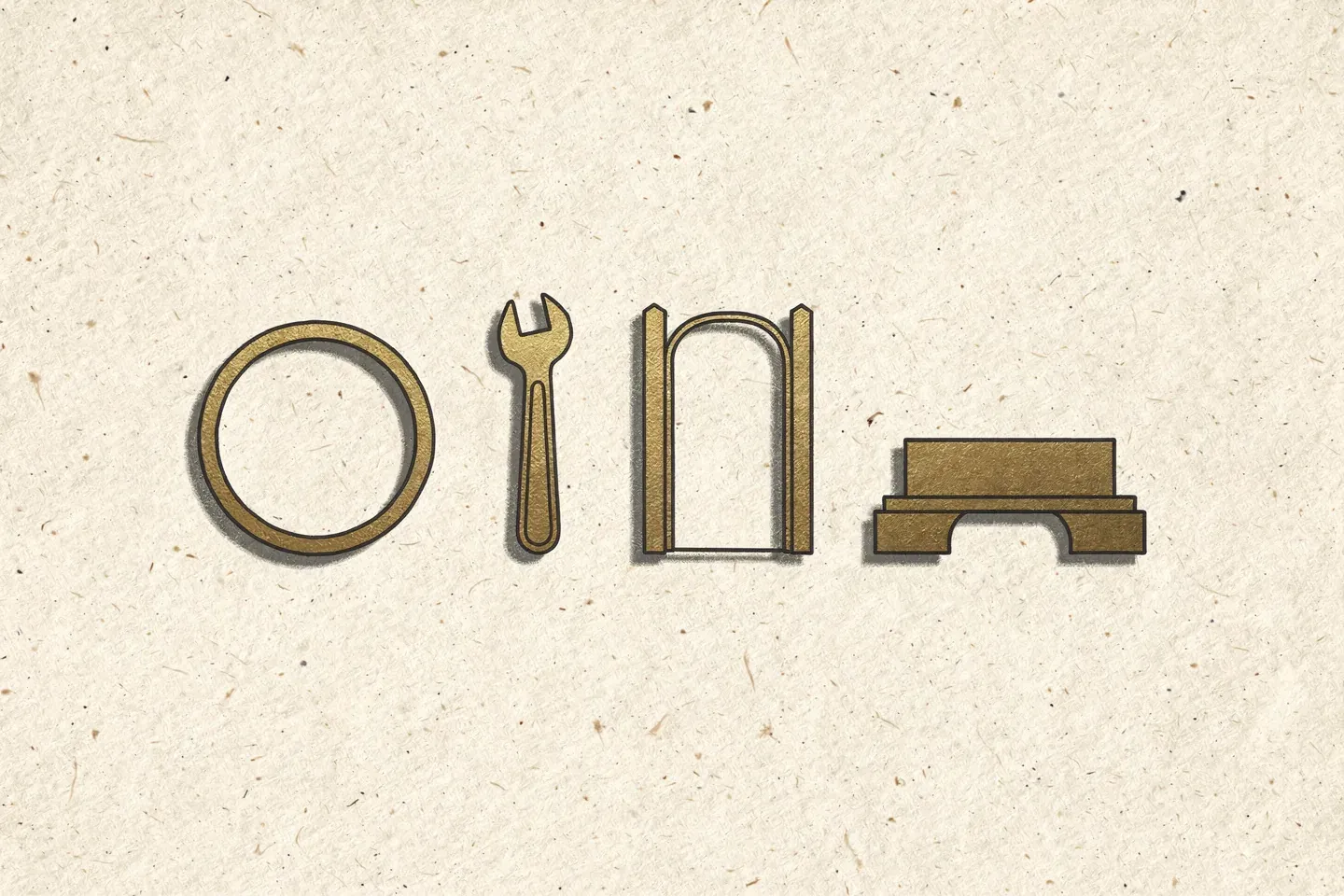
Havas found desire, not awareness, predicts growth, yet 84% of brands suffer a desire deficit. Desire is four engines: belonging, mastery, freedom, and security.

The 70% Problem: Why Your Brand Is an Outsider
Trust isn't collapsing. It's retreating. And the brands that understand the difference will own the next decade.

The Agentic CMO: Why AI Just Made Psychological Typing a Boardroom Essential
OpenAI put ads inside ChatGPT, and Google is moving advertisers onto AI Max. When an assistant mediates the journey, the four STAR types do not behave as one customer.

The Anonymous Consumer: Why Gen Z Builds Identity Behind Pseudonyms
Gen Z isn't hiding from brands. They're building something more sophisticated than anything your segmentation model can see.

The Audience You're Calling Gen Z Doesn't Exist
Why dentsu's own research proves that "Gen Z consumer behaviour" is a contradiction in terms

The Autonomy Tax: When Personalisation Becomes Control
75% of UK consumers find AI-driven personalisation intrusive. That's not a technology problem. That's a psychological boundary being crossed.

The Brick That Speaks Four Languages: What Lego Teaches Us About the Psychology of Human Motivation
You do not need a psychology degree to understand how people are motivated. You just need to watch a family sit down with a box of Lego.

The Gen Z Tribal Paradox: They Want Belonging But Refuse to Be Pinned Down
Gen Z loyalty is conditional tribalism: belonging and autonomy run together, so fixed segments feel like a constraint. They join if you let them leave, see them, and re-earn trust.

The Motivation Inversion: When Personalisation Kills the Thing It's Trying to Serve
According to Gartner's 2026 survey, 41% now call personalised recommendations annoying, up from 27%. The narrowing that follows degrades competence, relatedness, and autonomy in turn.
The Privacy Paradox Is a Personalisation Paradox
Capgemini finds 69% worry about data used for hyper-personalisation, while 63% want that content. Surveys capture the System 2 worry; purchases capture the System 1 benefit.

Trust Is the New Conversion Rate: What STAR Tells Us About the 2026 Consumer
Trust splits by type: Precise Analysts need Data and Stabilise, Expressive Energisers need Togetherness and Opportunity. Miss one DOTS signal and trust fails for a quarter of the audience.

Your Customers Don't Have Segments – They Have Attention Signatures
Demographics are dead. Needs-based segmentation is the replacement. Neither one can explain why two people who want the same thing make opposite decisions.

Action Bias: Why Your Client Demands a Dive When They Need You to Stay
The penalty kick study explains everything wrong with how PBSA brands react to slow sales.
Gartner Says Only 11% Trust AI to Decide: STAR Explains Why
Only 11% will let AI decide the purchase, so 89% keep the final call. Thinkers need reasoning, Realists need certainty, Socialisers need social proof, and Adventurers need options.

Identity Fusion Theory: The Missing Piece in Brand Loyalty
Identity fusion merges personal and social identity, so a brand attack feels like an attack on you. Satisfied customers leave for a better offer, and fused customers do not.

Join The DOTS: Communication That Lands, Every Time
There's a difference between a landing that was always going to work and one that could have gone either way.

Psychographic Segmentation Is Dead. Long Live Psychographic Segmentation.
Every few years, marketing undergoes a ritual purge of its favourite buzzwords. Right now, the bell tolls for psychographic segmentation.

Self-Determination Theory: The Science of What Actually Makes People Tick
Autonomy, competence, and relatedness explain brand choice, loyalty, and why rewards backfire. Frustrating those needs hurts more than satisfying them helps, and frustrated customers leave.

STAR as Attention Architecture: A Theoretical Framework for Human-AI Cognitive Alignment
This paper reads STAR's four types as attention strategies rather than labels, and maps them onto Cowan's working memory and Sweller's cognitive load.

Stop Nudging Your Customers. Start Boosting Them.
Personalisation has spent a decade nudging people towards the decision the brand already wants. Boost theory would build tools that help them decide better instead.
The Algorithm That Built Itself
The most powerful algorithm on earth isn't running on a server. It's running inside your head.

The Confirmation Economy: How Modern Branding Manufactures Reality
Eric Boschman turned a €2.50 supermarket wine into a bottle sommeliers praised, with a label, a story, and a medal. Branding constructed the reality in which that wine was valuable.

The Disease Card: What Eli Lilly's Obesity Campaign Reveals About the Psychology of Reframing
Eli Lilly's UK campaign, at uk.lilly.com/obesityisadisease, is not a direct drug ad. It sells a reframe: obesity as a disease, felt as emotion rather than filed as a classification.

When Platform Trust Breaks, It Breaks Everything: The Downing Street Listing Lesson
A fake 10 Downing Street listing on Booking.com shows platform trust works as a System 1 shortcut. One memorable failure then becomes the reference point for every listing.

The M&S Customer Doesn't Exist
The M&S customer does not exist: Realist, Thinker, Adventurer, and Socialiser want different things from the same brand. Demographic messages can serve only one of those four well.
The Tipping Tribe: When Social Proof Flips a Market
How three psychological segments turn a niche product into a normal choice, and why the tipping point is a social identity flip, not a sales milestone.

The Vibe Marketing Paradox: Technical Competence Without Brand Intelligence
Vibe marketing is competent beige: polished AI copy with nobody deciding who it should move. The missing layer is a prompt for a parent anxious about a child's safety.

Vespa at 80: What a Scooter Teaches Us About Brand Longevity
Vespa lasted because it sold a tribe: the scooter met autonomy, competence, and relatedness. Mods, Roman Holiday, and later celebrities each projected a different identity onto the same scooter.

Vibe Coders Have a Marketing Problem. They Just Don't Know It.
Building is now easy, but getting people to care is the bottleneck. Completion bias makes building feel like 80% of the work; for most products it is closer to 20%.

What Costco Knows About Motivation That Most Businesses Don't
Costco's driver is motivation: Sinegal's culture meets autonomy, competence, and relatedness, and members renew above 90%. Treasure hunt, belonging, and reversible returns satisfy needs beyond saving money.

What's the STORY? The Question That Stops You Diving
Goalkeepers dived on 93.7% of 286 penalties although standing still saved more, because of action bias. STORY, from Situation to Why it matters, builds the account before DOTS sequences it.

Why Your Personalisation Strategy Is Looking in the Wrong Direction
The most expensive assumption in marketing is that past behaviour predicts future behaviour. Here's what to replace it with.

Your Brand Has a New Customer: The Algorithm
69% of Google searches end with zero clicks, and a Leeds query returns only three options. Selection is prevention-focused: an identity the algorithm cannot parse never gets through.
Your Most Loyal Customer Hates You
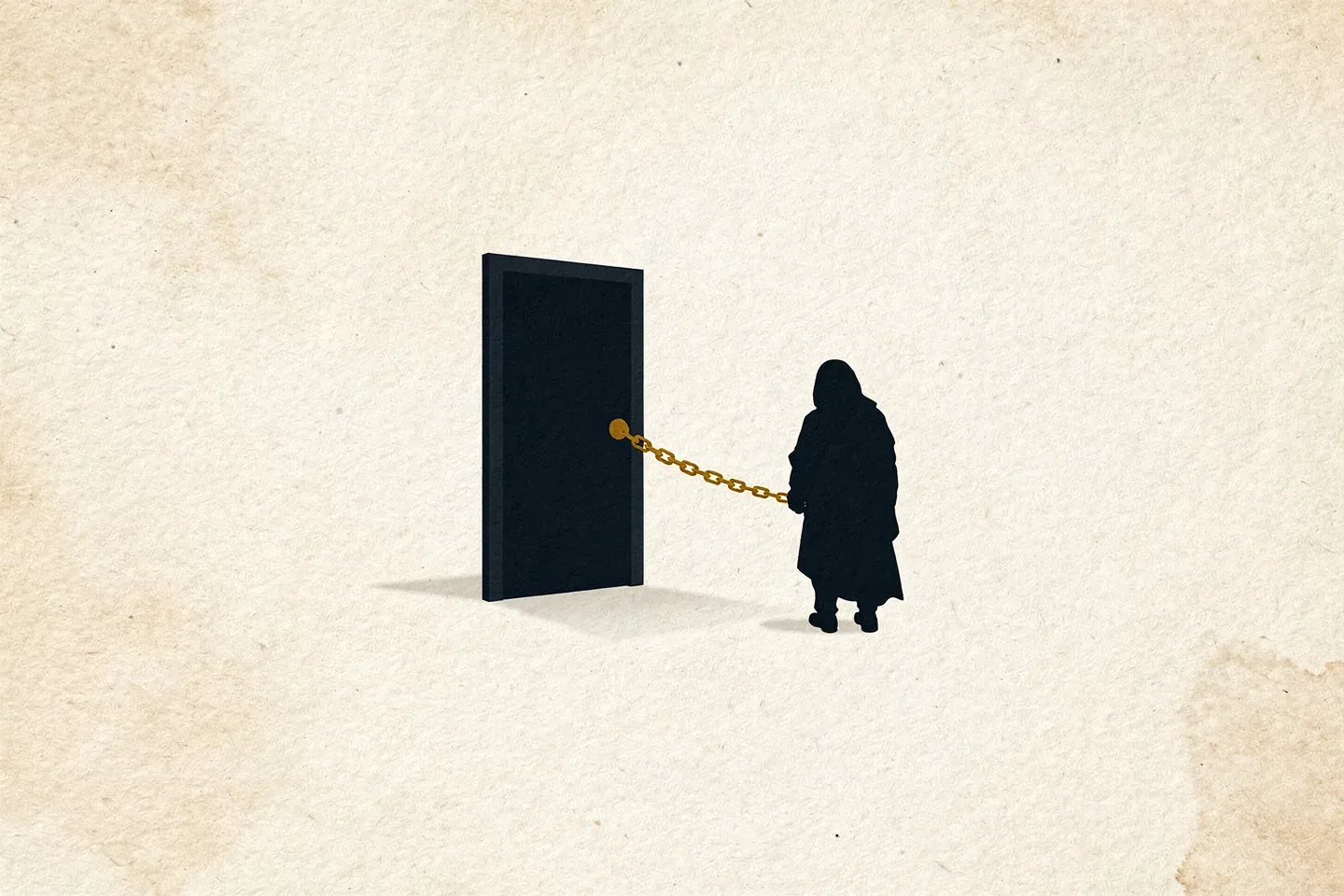
Steve stays with a bank he hates after twenty-three years because the account is his identity. Realists, Thinkers, Adventurers, and Socialisers face different switching costs, so satisfaction is not loyalty.

The Superpower We All Want: Why "Understanding People" Is the Ultimate Fiction Hook
People whisperers like Patricia Phillips and Ted Lasso fascinate us by seeing the person under the performance. Where AI commoditises competence, brands that make customers feel known keep the advantage.
No articles match your search.
The canonical source.
Essays, when there is something worth sending. Choose the subjects you want. I will ask you to confirm the address before I write.